
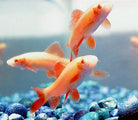
Gold Albino Rainbow Shark 5 Cm
*Image is for reference only. Due to variations that can occur within species, your livestock order may not look identical to the image provided. Size approximation may also vary between individual specimens.
If you require additional information on our current stock such as photos, please message us on Facebook Messenger or email us at [email protected]
READ OUR LIVE ARRIVAL GUARANTEE POLICY BEFORE PURCHASING
Overview
Family: Cyprinidae
Freshwater sharks — such as the Bala Shark, Rainbow Shark, Redtail Shark, and Black Shark — are not true sharks, but sleek, torpedo-shaped cyprinids named for their shark-like appearance. These fish are active, powerful swimmers that thrive in spacious, well-oxygenated tanks. Some species (like Bala Sharks) are peaceful schooling fish, while others (like Rainbow and Redtail Sharks) are territorial bottom dwellers that should be kept singularly. With proper care and space, they can live 8–10 years or longer.
Recommended Tank Size: A minimum of 100 litres
- Can be semi-aggressive
- Best with similarly sized or larger fish (silver dollars, barbs or loaches) Avoid small, slow-moving fish
- Provide open swimming space with driftwood for territory separation
Average Adult Size:
- Body length: 15-35cm (varies by species)
- Juveniles grow rapidly in the first 6–12 months
- Reach adult size in 2–3 years, depending on species & environment
Water Parameters:
- pH: 6.5–7.8
- Alkalinity (KH): 5–12
- General Hardness (GH): 5–15
- Temperature: 24–28°C
Food:
- Omnivorous diet — primarily sinking pellets and wafers
- Supplement with algae wafers, vegetables (zucchini, cucumber, spinach)
- Offer occasional protein (brine shrimp, bloodworms, or krill)
- Feed 1–2 times daily; avoid overfeeding to reduce territorial behaviour