Recreating a Costa Rican River Biotope: David Norholm’s Aquascape
David Norholm, an aquarist from Denmark, set out to recreate a stunning aquatic environment inspired by the Río Sarapiquí in Costa Rica. This volcanic river is home to a vibrant ecosystem, including species like Poecilia sphenops (German mollies) and Amatitlania myrnae. David’s goal was to authentically replicate both the beauty and ecological balance of this habitat in his biotope.

WIO Products: Essential for the Biotope
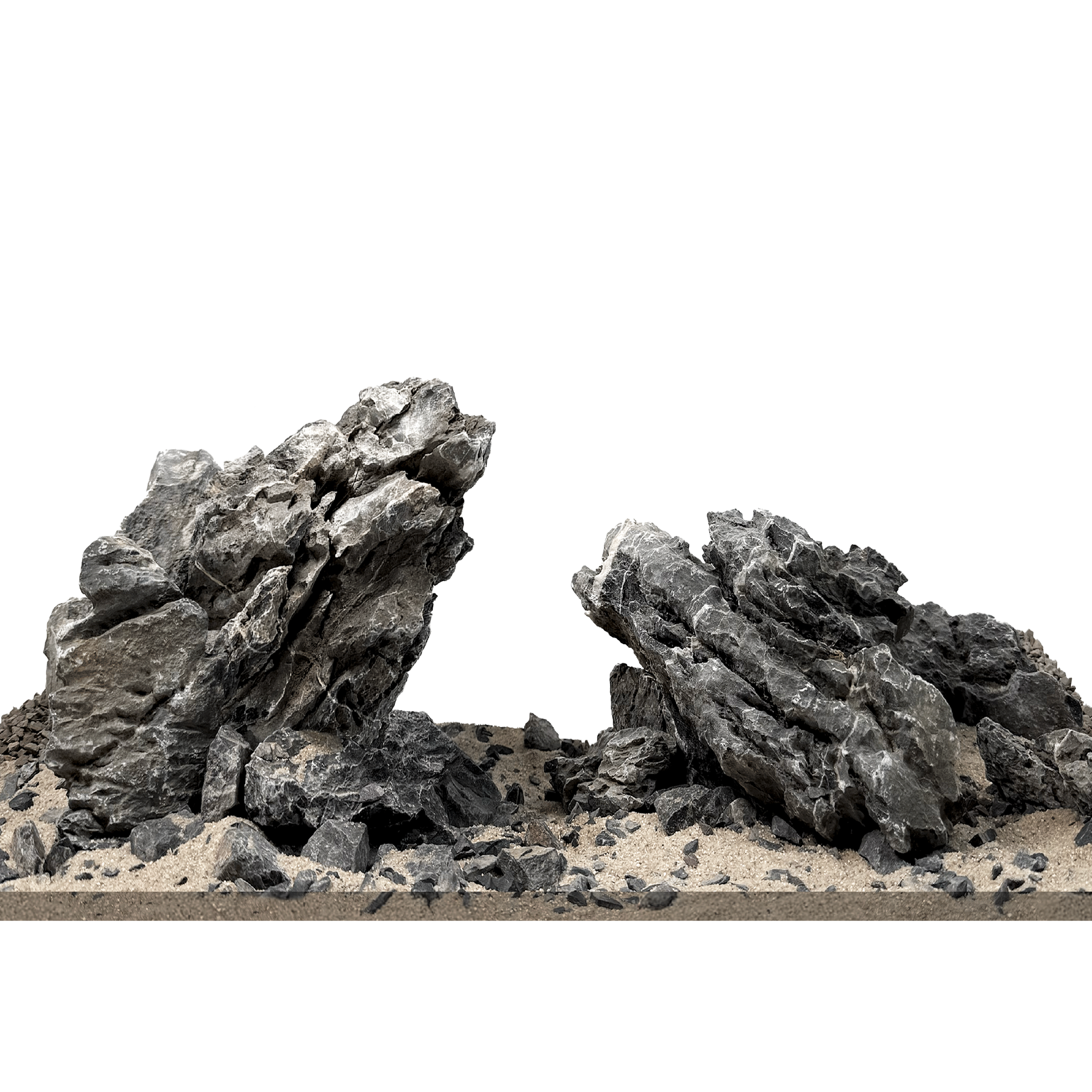
A key factor in the success of David’s biotope was the WIO Beck River Kit, chosen for its natural materials and volcanic rock aesthetic. The kit included:
-
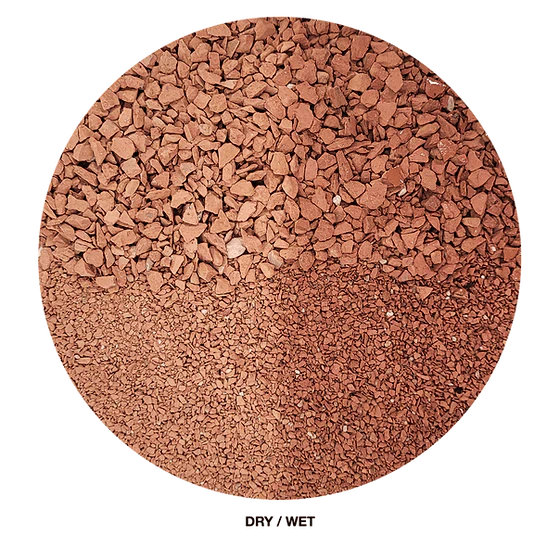
Wetland Artist Cocoa Substrate: Perfect for creating a natural riverbed foundation
-
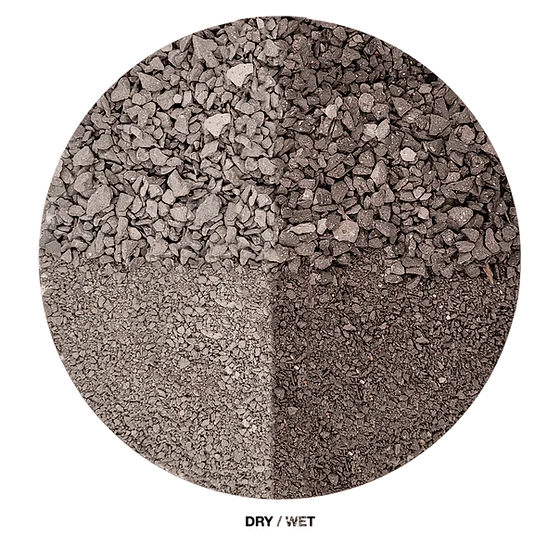
Beck Riverbed & Darwin Black Lava Stone: Textured volcanic rock to replicate a river environment
-
Darwin Lava Nano Stones: Used to complete the riverbank look with smaller, detailed rocks


What is a Biotope?
A biotope is a self-contained ecosystem designed to replicate a specific natural environment. In this case, David’s aim was to mirror the Río Sarapiquí’s characteristics, creating both a visually appealing and ecologically balanced habitat.
Materials Needed for a River Biotope:
-
WIO Beck River Kit (Wetland Artist Cocoa substrate, Beck Riverbed, Darwin Black Lava Stone, Nano Rocks)
-
Aquatic plants suited for river habitats
-
Driftwood for texture and natural flow
-
Background plants for visual depth
Step-by-Step Biotope Creation
Step 1: Planning the Layout
David studied the natural riverbed carefully, focusing on rock placement, plant arrangement, and water flow to replicate the Río Sarapiquí environment.
Step 2: Adding the Substrate
The foundation of the biotope is the substrate. David layered WIO Wetland Artist Cocoa substrate with fine gravel and sand to create gentle slopes, mimicking the riverbed’s natural contours.
Step 3: Placing Rocks and Driftwood
Using the Beck River Kit, larger rocks were positioned at the back, while smaller Nano Rocks were placed in the front to create depth. Driftwood was arranged to simulate natural riverbank settlements.
Step 4: Planting Aquatic Plants
River-friendly plants were positioned with taller species at the back and shorter ones in the front, ensuring adequate light and space for growth.
Step 5: Adding Water & Fine-Tuning
Water was gently added to prevent disturbing plants and substrate. Water parameters were tested and adjusted to suit the species planned for the biotope.
Step 6: Creating Flow
A filter and gentle pump were used to replicate the natural river flow, keeping debris from settling and maintaining plant and fish health.
Step 7: Final Touches & Maintenance
After completion, the biotope was allowed to stabilize before introducing aquatic animals. Regular water checks and plant monitoring ensured the ecosystem remained balanced.
Check the following video with the step by step creation process:
David’s Costa Rican river biotope demonstrates how careful planning, the right materials, and thoughtful execution can recreate a realistic and thriving aquatic ecosystem.